
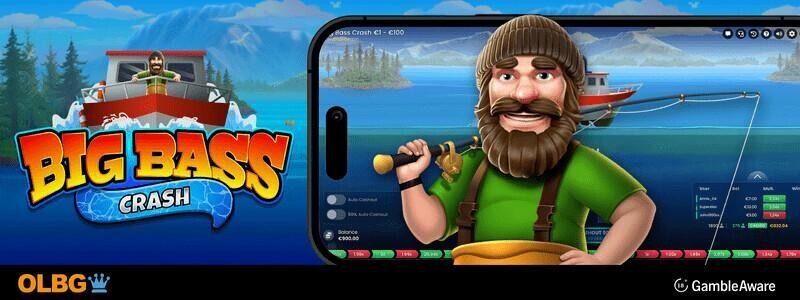
The online gaming scene is saturated https://bigbasscrashcasino.ca/. Titles come and go all the time. A game that lasts does so because it learns and changes. Right now in Canada, something noteworthy is happening with the Big Bass Crash game. Its developers took a decisive step. They chose to listen to their players. They didn’t just open a suggestion box and neglect it. They established direct channels to their Canadian community, actively collecting, categorizing, and applying player feedback to improve the game. This isn’t about fixing minor bugs. It’s about a different way of building a game, where Canadian players help define the path for what comes next. The game now fits what its audience desires. That fosters a feeling of ownership and loyalty you don’t see every day. For a game all about the nerve-wracking second before a multiplier crashes, this commitment to player input has become its most reliable feature.
Canada’s Player’s Voice: A Clear Line to Developers
Typically, playing an online game in Canada is like a monologue. You have a finished product. Your ideas disappear into a black hole. The Big Bass Crash team aimed to change that feeling from the start. They created several easy ways for their Canadian community to be heard. They launched dedicated threads on big gaming forums. They organized social media campaigns to listen on platforms Canadians use. They even added a simple feedback tool inside the game itself, so players could share thoughts without stopping their session. The real trick was not only making these channels. It was making sure players knew they worked. Anyone who submitted feedback received an automatic confirmation that their message was received. Community managers regularly shared updates about what topics players were talking about most. This began a cycle. Players saw others getting a response, so they became more comfortable sharing their own detailed ideas. They knew a person would read it, not just a computer ticket system.
From Idea to Implementation: The Feedback Implementation Process
Getting feedback is step one. Transforming it into an actual game update is far more challenging. The team created a strict system to handle all the input from Canadian players. First, every piece of feedback gets sorted. It is placed into groups like “Gameplay Mechanics,” “Visual/Audio Design,” “Performance Issues,” and “New Feature Requests.” Then a team looks at each category. This team comprises game designers, developers, and data analysts. They don’t base decisions only on popular opinion. They compare it with numbers. If many players ask for a new bet level, the analysts review data to see if players are quitting at certain stake points. The best ideas that are also achievable get added to a public roadmap. The clarity here is key. The developers talk about what they’re doing, and also clarify why some popular ideas might require time or aren’t feasible. They provide these reasons in plain language, without technical jargon. This candor, even when the news isn’t what players wanted, has established a strong layer of trust.
Core Gameplay Improvements Based on Community Feedback
You can see the outcomes of this feedback loop directly in the manner Big Bass Crash functions. Canadian players, who often prefer both fast action and thoughtful strategy, shared many ideas that made it into the game. One of the first big changes introduced a new autoplay function. The initial version was basic, just replaying bets. Players demanded more control. They sought to set stop-loss limits, win targets, and automatic cash-out points at specific multipliers. Including these options transformed autoplay. It shifted from a simple convenience to a real tool for handling risk. Another change resulted from visual feedback. Some players said the rocket’s multiplier climb was challenging to track when it moved fast. The team reacted. They added clearer visual markers and an option for a larger, on-screen multiplier display. These go beyond small tweaks. They change how players experience the heart of the game, cutting down on frustration and adding more strategy.
Establishing Confidence via Openness and Quick Responses
When gamers feel listened to, they remain loyal. In Canada, where equitable treatment matters, the Big Bass Crash team’s transparent method has rapidly earned confidence. They often publish update blogs with a simple title: “You Shared, We Acted.” These updates specify exactly which player comments were incorporated in the latest patch. Each one links back to the forum thread or general discussion that started it. This tells a clear story of partnership. Their reaction to difficulties also enhances reliability. One evening, server lag hit players in Ontario. The team responded promptly. They were upfront about the issue, apologized, and sent automatic compensation to every affected account. Measure that against the sector’s practice of quietness or unclear messages. The disparity in community response is enormous. On forums, players are more understanding and helpful when issues pop up. They have faith the group is striving to make proper decisions. That confidence is the most valuable asset a game can possess.
Customizing the Experience: Localization Further than Language
For many games, making a version for Canada involves rendering text into English and French. The Big Bass Crash project looked deeper. Real localization involves understanding cultural and practical details. Player feedback highlighted where to go further. This led to adding payment methods Canadians trust and rely on for deposits and withdrawals, which is crucial for convenience and security. The game’s bass fishing theme works everywhere, but the team added small touches based on suggestions. You might see visuals inspired by Canadian lake scenery during special seasonal events. They also adjusted how customer support operates to meet Canadian expectations for quick, clear help. Special tournaments and bonus events now line up with Canadian holidays and long weekends, when more people are online to play. This sort of detail demonstrates respect for the player’s world. It renders the game feel less like an import and more like something created for them.
Future Roadmap: Co-Creating the Upcoming Major Features
The feedback project has evolved. It’s presently a blueprint for collaboratively developing what comes next. The developers aren’t just solving problems anymore. They’re engaging the Canadian community to help dream up new features. They employ polls and targeted discussion groups to assess early concepts with players. Right now, the community is contributing ideas for new bonus round mechanics, social features for friendly competition, and unique seasonal events. One player concept for a “Northern Pike” bonus mode is garnering real attention from the design team. Bringing players in at this early stage reduces risk. It stops the team from investing time and money creating something players don’t actually want. This forward-looking collaboration guarantees the game evolves in a direction players value. That’s how a game remains relevant and engaging in a market like Canada’s.
Tips for Share Your Feedback Productively
If you are a Canadian player looking to join this dialogue, the way you provide feedback counts. Considering their approach, the recommendations that get action share a few things. They are precise and useful. Avoid simply stating “the game is boring.” Instead, consider something such as, “After an hour, the wait between big wins loses my attention. Maybe a small visual reward every 10th cash-out would help.” Also, think about what’s achievable. Big ideas are great, but ideas that match the game’s current mechanics usually get implemented faster. To ensure your input assists, adhere to these steps:

- Utilize the in-game feedback tool for quick bug reports or reactions during playing.
- Regarding bigger feature ideas, head to the official community forum. Check first to add your support to similar ideas, or start a in-depth new topic.
- Explain the problem clearly. Where possible, suggest a realistic way to fix it.
- Engage in official polls and surveys. The team employs this data directly to determine what to focus on.
Think of it as a conversation. The developers have proven they are paying attention. By offering straightforward, thoughtful feedback, you assist mold the game you play.
What’s happening with Big Bass Crash in Canada illustrates what community-driven development is capable of. Via building real feedback channels, employing a clear process to act on that input, and carefully adjusting the experience for local players, the game has built a sense of partnership. The enhancements to gameplay, localization, and communication are not just just updates. They are the elements that establish trust and loyalty. In an industry where developers frequently come across as removed from their players, this open dialogue has done two things. It has rendered the game better, and it has formed a dedicated community that feels part of the game’s success. By listening to its Canadian players, Big Bass Crash has found a way to endure.